
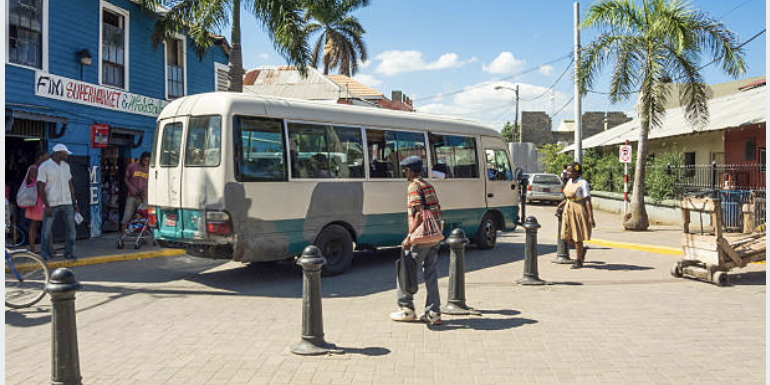
Public transportation is a daily necessity for thousands of people across Jamaica. From early-morning trips to work to late-evening rides home, buses, taxis, and shared transport keep the country moving. Yet for many commuters, the journey is often stressful, unpredictable, and physically demanding. By listening to the voices of everyday riders, a clearer picture emerges of the challenges facing Jamaica’s public transportation system.
Overcrowding and Long Wait Times
One of the most common complaints among commuters is overcrowding. During peak hours, buses and route taxis are often filled beyond capacity. Passengers report standing for long periods or waiting through multiple vehicles before finding space.
Long wait times add to the frustration. In some areas, commuters can wait an hour or more for transportation, especially in rural communities or late in the evening. For workers who rely on punctuality, these delays can affect job performance and income.
Unreliable Service and Inconsistent Schedules
Unlike structured transit systems with fixed timetables, much of Jamaica’s public transportation operates on availability rather than schedule. Commuters often leave home earlier than necessary, knowing there is no guarantee a bus or taxi will arrive on time.
Breakdowns and sudden route changes are also common. Many riders express frustration at the lack of communication when services are disrupted, leaving them stranded with little information on alternative options.
Safety Concerns on the Road and at Stops
Safety remains a major concern for commuters. Overcrowded vehicles, speeding, and poorly maintained buses contribute to anxiety during daily travel. Some passengers feel drivers are under pressure to maximize trips, sometimes at the expense of safe driving practices.
Waiting areas and roadside stops can also feel unsafe, particularly at night. Limited lighting, minimal security presence, and isolated locations make some commuters uneasy, especially women, students, and the elderly.
Rising Costs and Financial Strain
For many Jamaicans, transportation costs take up a significant portion of weekly income. Fare increases, combined with multiple daily trips, place a heavy burden on low-income households.
Commuters often question whether higher fares are matched by improved service. Many feel they are paying more without seeing meaningful changes in comfort, safety, or reliability.
Poor Infrastructure and Vehicle Conditions
Another frequent concern is the condition of vehicles and transport infrastructure. Complaints include broken seats, inadequate ventilation, and poorly maintained buses. During rainy periods, flooded roads and damaged surfaces slow travel and increase discomfort.
Bus stops and terminals in some areas lack shelter, seating, or clear signage. Commuters say these conditions reflect a lack of long-term planning and investment.
The Emotional Impact of Daily Commuting
Beyond physical discomfort, daily commuting takes an emotional toll. Long journeys, uncertainty, and overcrowding contribute to stress and fatigue. Many commuters arrive at work already exhausted, which affects productivity and overall well-being.
Over time, these experiences shape how people feel about public services and governance. When transportation fails, commuters feel overlooked and undervalued.
What Commuters Want to See Improved
Despite ongoing challenges, commuters are not asking for perfection. They want practical improvements that make daily travel easier and safer.
Common suggestions include:
-
More reliable and frequent service
-
Better regulation and maintenance of vehicles
-
Improved safety measures at stops and terminals
-
Fair and transparent fare structures
-
Clear communication during service disruptions
Moving Toward a Better Transportation System
Public transportation is essential to Jamaica’s economic and social life. Improving it requires listening to the people who use it every day. Commuters’ voices offer valuable insight into what works, what does not, and where change is needed most.
A dependable and safe transportation system is not just about mobility. It is about dignity, opportunity, and respect for the people who rely on it.