In the weeks following Hurricane Melissa, one of the strongest storms to impact Jamaica in recent history, travelers around the world are asking the same question: Is it safe to travel to Jamaica now? The short answer is—yes, it can be, but with important considerations about timing, location, and expectations.
This article offers a clear, realistic update on what travelers can expect right now and in the months ahead, based on real conditions on the ground and the pace of recovery across the island.
What Happened During the Storm?
Hurricane Melissa struck Jamaica in late October as a powerful Category 5 storm, leaving behind widespread damage across several parishes. Roofs were torn off homes, roads were flooded or blocked, electrical lines came down, and thousands of families were affected. Farms suffered heavy losses, especially banana, plantain, and tree crops that take months to regrow.
Some areas experienced catastrophic damage, while others were impacted more moderately. As with many hurricanes, the storm’s effect was uneven across the island, which is an important factor when planning travel.
Is Jamaica Open for Tourism?
Yes—Jamaica is reopening in phases, with many areas preparing for a strong return of visitors starting in mid-December. Tourism is one of the country’s most important economic pillars, and reopening safely is a major national priority.
Here’s how recovery currently looks by region:
Ocho Rios & the North Coast (St. Ann & St. Mary)
This area experienced light to moderate damage compared to western Jamaica. Roads are mostly passable, utilities have been restored in many communities, and a growing number of hotels, villas, attractions, and tours are reopening.
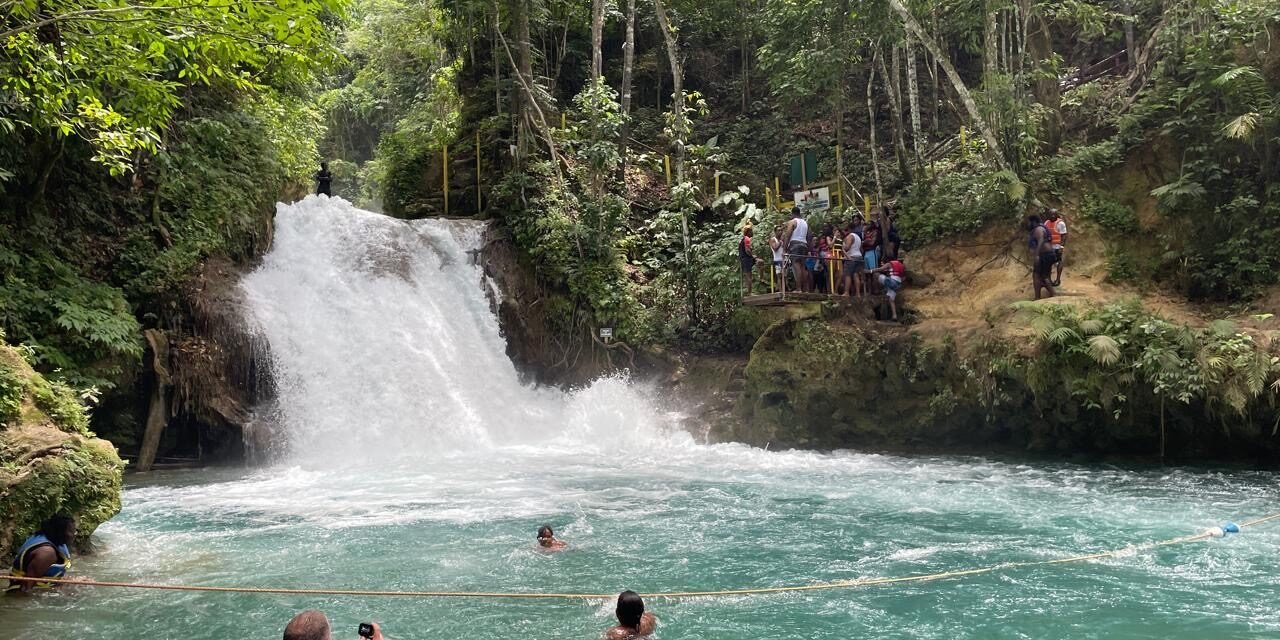
If you are planning travel in the coming months, Ocho Rios is one of the most stable and practical bases right now. Visitors can still enjoy beaches, waterfalls, river rafting, farm tours, and cultural experiences, while also directly supporting small local businesses as they recover.
Montego Bay & St. James
Montego Bay was more heavily impacted, including flooding near the airport and major roadways. Flights are operating again, but several large resorts remain closed for extended repairs. If you plan to stay here, it is essential to confirm that your hotel is fully operational before booking.
Expect limited room availability and some ongoing construction in certain districts.
Negril & Hanover
Negril saw mixed levels of damage. Some hotels reopened quickly while others remain under repair. The beach is still beautiful, but certain areas may feel quieter than usual.
Negril can still be a good option for travelers who are flexible and confirm details carefully.
South-Western Parishes (Westmoreland & St. Elizabeth)
These parishes experienced some of the most severe damage on the island. Many homes, farms, and small guesthouses were destroyed or heavily damaged.
While recovery efforts are ongoing, this region is currently better suited for residents and organized volunteers rather than leisure travelers.
Health & Safety After the Storm
Floodwater & Illness Risks
After major flooding, health authorities issued warnings about leptospirosis, a bacterial illness associated with contaminated water and soil. Most confirmed cases involved people who were directly exposed during cleanup or farm work.
For travelers staying at established hotels or villas, the overall risk remains low—but basic precautions are important:
-
Avoid walking through standing or muddy water
-
Wear closed-toe shoes on excursions
-
Wash hands often or use hand sanitizer
-
Follow all local advisories and hotel guidance
General Safety
Jamaica’s usual travel safety advice still applies after the storm. Tourist areas are prioritized for restoration and security, but visitors should continue to:
-
Use official taxis or arranged transportation
-
Avoid isolated or unfamiliar areas at night
-
Keep valuables secured
-
Stay aware of surroundings
The hurricane has not changed Jamaica’s core safety landscape—but infrastructure damage means travelers should remain alert and cautious as recovery continues.
What Travelers Should Expect Right Now
Traveling to Jamaica in the months following the hurricane will feel different from a typical holiday. While beaches remain stunning and hospitality remains warm, visitors should prepare for:
-
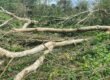
Visible storm damage – including fallen trees, roof repairs, and re-planting projects
-
Ongoing construction – at some resorts, bridges, and roadways
-
Limited availability – fewer rooms, reduced flight schedules, and occasional tour adjustments
-
Occasional utility disruptions – in rural areas especially
At the same time, there are meaningful positives:
-
Tourism workers are eager and grateful for visitors
-
Smaller tours offer a more personal, authentic experience
-
Visitors directly help families rebuild their livelihoods
-
Prices may be more competitive during the recovery phase
Tips for Traveling to Jamaica After the Hurricane
If you plan to visit in the next few months, here’s how to stay safe and make the most of your trip:
1. Choose Your Location Carefully
Stick to actively recovering tourism hubs like Ocho Rios and select parts of Negril and Montego Bay. Avoid areas still facing major infrastructure loss unless you are visiting family or volunteering.
2. Confirm Everything in Advance
Before booking, ask:
-
Is the hotel fully open or partially operational?
-
Are airport transfers available?
-
Which nearby attractions are currently open?
-
Are there any construction works on the property?
3. Buy Strong Travel Insurance
Make sure your policy covers:
-
Weather-related disruptions
-
Trip delays
-
Cancellations and medical care
4. Pack for Recovery Conditions
Bring:
-
Comfortable walking shoes
-
Insect repellent
-
Light rainwear
-
All prescription medications
5. Be Flexible & Patient
Expect occasional delays, altered itineraries, and changing conditions—especially in rural communities.
6. Support Local Businesses
Choose locally owned tours, restaurants, craft vendors, and farms. These small enterprises were among the hardest hit and benefit directly from tourism returning.
Should You Postpone or Proceed With Your Trip?
Here’s the honest breakdown:
-
Go ahead with your trip if:
-
You’re traveling from mid-December onward
-
You’re staying in a confirmed operational hotel
-
You’re flexible and open-minded
-
You want to help support Jamaica’s recovery
-
-
Postpone your trip if:
-
You require luxury perfection with zero construction
-
You plan to visit heavily damaged rural parishes
-
You’re uncomfortable with visible disaster recovery
-
Final Verdict: Is It Safe to Travel to Jamaica After the Storm?
Yes—travel to Jamaica can be safe, meaningful, and rewarding after Hurricane Melissa, especially from mid-December onward in areas like Ocho Rios, parts of Negril, and carefully confirmed properties in Montego Bay.
However, visitors must understand that the island is still healing. Some communities remain deeply affected, infrastructure repairs are ongoing, and conditions can change quickly.
For travelers willing to arrive with patience, awareness, and compassion, this is not just a vacation—it’s an opportunity to witness Jamaica’s resilience firsthand and contribute directly to the recovery of its people.
Jamaica may be bruised, but its spirit remains unbroken—and visitors are being welcomed back with open arms.