Jamaica is no stranger to storms, but the recent hurricane left its mark in a way that travelers cannot ignore. The island’s spirit is strong, and recovery began almost the moment the winds died down. Even so, anyone planning a trip in the coming weeks needs clear, current guidance. Here is what matters most right now.
The Situation on the Ground
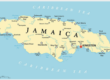
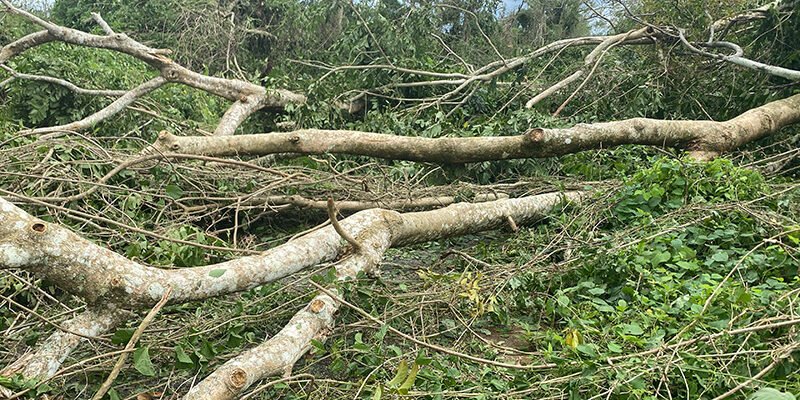
The hurricane cut a wide path across the island, with the south and southwest coasts taking the hardest hit. Communities near Kingston and parishes like St Elizabeth and Manchester saw flooding, road blockages, and steady power outages in the first days after landfall. Inland regions fared better, and many resort corridors along the north coast were affected more by heavy rain than structural damage.
Airports reopened faster than many expected, which helped restart the flow of supplies and support crews. Norman Manley International Airport in Kingston and Sangster International Airport in Montego Bay are both operating, though schedules remain adjusted. Some flights are consolidated. Some are delayed. Travelers should expect longer lines and slower processing as staffing stabilizes and systems return to normal.
Hotels and guesthouses sit in a similar mix of conditions. Properties in Negril and parts of the north coast report limited disruptions. A few smaller beachfront hotels need time to repair walkways, seaside decks, or landscaping. On the south coast, some boutique properties are temporarily closed while they assess structural repairs. The major all inclusive brands have recovery teams on site and most have restored essential services. If you already have a reservation, the best move is to check directly with your hotel instead of relying on automated emails or old website notices.
Infrastructure and Transportation
Road conditions are improving day by day. Main highways between Montego Bay, Ocho Rios, and Kingston are largely passable, although travelers may still experience slow sections where crews continue clearing debris. Rural roads tell a different story. Landslides and washed out bridges remain obstacles in interior routes, especially those leading to waterfalls, farms, and remote attractions.
Public transportation is running, but on an irregular schedule. Taxis and private drivers are easy to find in major tourist zones, yet availability drops once you move away from town centers. If you plan to explore on your own, build in extra time and have a backup option ready. Map apps may not reflect the most current road closures.
Power and water service continue to stabilize. Urban areas have seen faster restoration, while more remote areas are still waiting. Most hotels have backup generators and large water reserves, which means guests often feel fewer disruptions than residents. Still, expect occasional flickers or reduced water pressure. It is normal during early recovery.
Beaches and Attractions
One of the biggest questions travelers ask after a hurricane is whether the beaches are still beautiful. In Jamaica’s case, many are already back to form. Storm surge shifted sand in some areas and piled seaweed in others. Cleanup teams moved quickly, and the major public and resort beaches look better each day. Water clarity can stay murky for a short time after the storm because of runoff, but conditions usually improve within a week or two.
Attractions across the island are reopening in phases. Dunn’s River Falls and other major sites have resumed operations with some adjusted hours. Rafting on the Martha Brae and Rio Grande is available, although tours depend on river levels and safety approvals. Blue Mountain hikes are limited while trail inspections continue. Local guides remain your best source for real time updates.
Restaurants, bars, and entertainment venues are bouncing back. Many popular spots in Montego Bay, Ocho Rios, and Kingston are open, serving travelers and locals who are eager for normal rhythms to return. Expect occasional limited menus as supply chains catch up.
What Travelers Should Pack and Prepare
Travel to a recovering destination requires small adjustments. Pack a portable charger because power fluctuations are still possible. Bring insect repellent. Standing water after a storm can lead to higher mosquito activity. Cash is helpful, especially small bills. ATMs in affected communities can run low during the first weeks after a storm.
Trip insurance matters more than ever. If you have not bought it yet and your departure is soon, choose a plan that includes trip interruption, travel delay, and medical coverage. Even though tourist areas are safe and services are returning quickly, flexibility will make your trip smoother.
Most important, stay informed. Airlines continue adjusting schedules. Hotels update reopening timelines as repairs progress. Tour operators shift routes or change pickup locations as needed. Before you travel, confirm each part of your itinerary. When you arrive, check with your hotel concierge or host for the most accurate local updates.
Is It Still a Good Time to Visit?
For many travelers, the answer is yes. Jamaica relies heavily on tourism. When visitors return responsibly, they support jobs, small businesses, and the speed of recovery. Resorts are eager to welcome guests. Beaches are open. The island’s energy and warmth remain.
There are, however, a few qualifiers. If your main goal is a highly structured vacation with no disruptions, it may be better to schedule your trip a few weeks out. Conditions improve every day, but some excursions still face delays or adjusted hours. On the other hand, if you are flexible, supportive, and patient, you can still enjoy a rewarding and memorable visit.
Several communities especially benefit from visitor spending right now. Buying local crafts, dining at family owned restaurants, and booking local guides directly all help residents rebuild. Travelers often find that post storm visits lead to stronger connections with locals who are working hard to bring their island back to full shine.
How to Travel Respectfully During Recovery
Tourism can be a real force for good after a natural disaster, as long as travelers approach it with care. Avoid disaster sightseeing. Many Jamaicans are dealing with home repairs and community cleanups. Respect restricted zones, and do not take photos of damaged neighborhoods unless given permission.
Talk to locals. Support businesses that are clearly open and ready for guests. Ask your hotel about volunteer opportunities if you want to help. Some resorts coordinate beach cleanups or supply drives that allow visitors to contribute in a meaningful way without disrupting relief operations.
Finally, be kind. Hospitality workers may be juggling long hours and personal recovery at the same time. A little patience goes a long way.
The Bottom Line
Jamaica is rebuilding fast. Airports are open, beaches are returning to their familiar beauty, and hotels are steadily restoring full services. Travelers can visit now with confidence, as long as they stay informed and approach the island with understanding. If you choose to travel soon, you will not only enjoy the scenery and culture but also support the people who make Jamaica one of the Caribbean’s most beloved destinations.